
Preparing Balers and Compactors for Winter in Ireland: A Seasonal Maintenance Checklist
Introduction
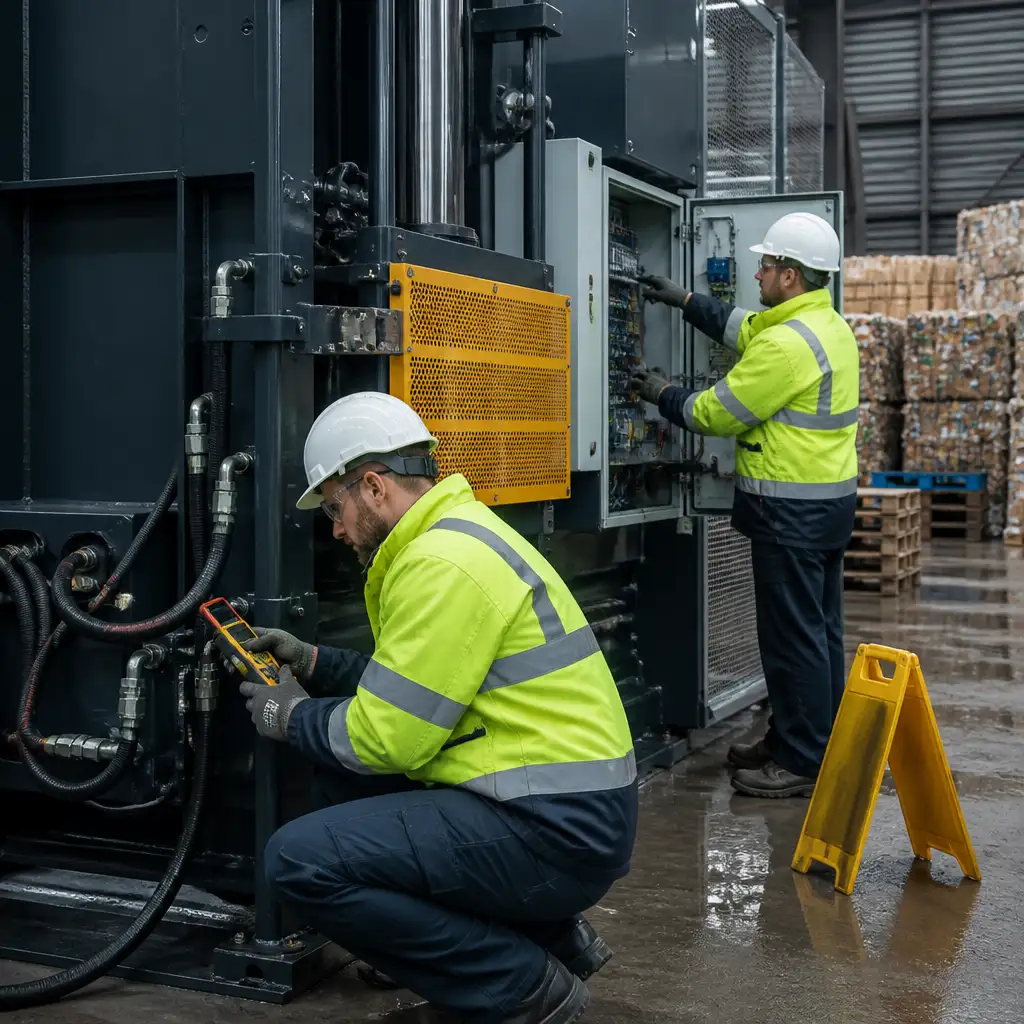
Winter in Ireland brings colder temperatures, higher humidity and more frequent wet weather. For facilities managers and service teams responsible for waste handling machinery, those conditions increase the risk of breakdowns in balers and compactors. Good seasonal preparation reduces downtime, improves safety and protects long-term asset value.
This guide provides a practical, step-by-step checklist for baler maintenance Ireland, tailored to the needs of manufacturing, retail, warehousing, logistics and hospitality operations. It covers pre-winter inspections, hydraulic and electrical checks, fluid and seal guidance for cold weather, operator procedures, spare-parts planning and advice on scheduling service windows to limit disruption.
Baleforce Ireland combines more than 20 years of industry experience with a repair-first philosophy. The recommendations below reflect real-world field practice and are written to help you identify the right maintenance steps, know when to call for professional support and plan for faster response across Leinster and nationwide.
- Introduction
- Pre-Winter Inspection Checklist
- Hydraulic and Electrical Checks
- Cold-Weather Fluids, Seals and Testing Intervals
- Operator Procedures and Safety Reminders
- Spare-Parts Planning: What to Stock
- Service Windows and Mid-Winter Checks
- FAQ
Pre-Winter Inspection Checklist
Begin your winter programme early: schedule a full pre-winter inspection at least four to six weeks before sustained cold weather arrives. A structured inspection catches wear and faults that become urgent when temperature drops. Use a written checklist and take photos to record condition and trends.
Key items to inspect include frame integrity, ram guides, platen and door seals, electrical enclosures for moisture ingress, hydraulic hoses and reservoirs, safety interlocks and sensor heads. Look for corrosion, loose fittings and evidence of previous repairs that may need revisiting. For balers check the chamber walls and bale-eject systems; for compactors inspect the loading aperture and bin lifters.
Practical, short checklists help operators and technicians work quickly and consistently. A basic pre-winter checklist should include visual inspection, function tests, leak checks, lubricating moving parts and logging any parts that should be ordered before winter. If you prefer outsourced support, book a professional inspection via our free machinery assessment to get a priority view of more complex issues.
Hydraulic and Electrical Checks
Hydraulics are the most common cause of cold-weather failures. Low temperatures increase fluid viscosity and expose worn seals and pumps to greater load. Start by checking hydraulic reservoirs for correct fluid level and contamination; drain and replace if water, metal fines or sludge are present. Inspect hoses for cracking, chafing and soft spots—cold weather magnifies hose vulnerability.
Next, perform basic hydraulic function tests under load. Operate the machine through full cycles and listen for unusual noises, cavitation or slow movement. Slow ram speed that improves as the machine warms typically indicates fluid viscosity issues or partially blocked filters. Replace or clean filters and ensure pressure relief settings match manufacturer recommendations.
Electrical faults also rise in winter when moisture and condensation affect connectors, control panels and sensor heads. Check gaskets on control enclosures, clean or replace corroded terminals and test emergency stops, limit switches and safety interlocks. Carry out insulation resistance tests on motors and important wiring runs if your maintenance programme includes electrical diagnostics.
Cold-Weather Fluids, Seals and Testing Intervals
Choosing the right hydraulic fluid and maintaining seals are straightforward ways to minimise cold-weather problems. Use a hydraulic fluid with a viscosity grade suitable for low ambient temperatures; manufacturers often specify a winter-grade or multi-grade option. Avoid over-thinning—select a fluid that balances cold-start performance with adequate film strength under load.
Seals harden and shrink in cold conditions, increasing the risk of leaks. Rubber and polyurethane seals should be inspected and replaced on a planned schedule if showing age, cracking or extrusion marks. Fit seal kits during the pre-winter service where practical; it is typically cheaper and quicker than dealing with a mid-winter breakdown.
Recommended testing intervals: visual checks weekly during cold snaps, operational tests monthly and a full service and fluid analysis before winter and again mid-winter. Fluid analysis (viscosity, water content, particle count) gives objective data to decide whether a drain and refill is necessary rather than guessing based on symptoms.
Operator Procedures and Safety Reminders
Operators are your first line of defence. Train staff on simple winter-specific procedures: warm-up cycles, using lower-intensity initial operations until systems stabilise and checking for audible or visual warning signs. Emphasise controlled starts—avoid repeated hard cycles on a cold machine until temperature and pressure stabilise.
Remind operators to keep the area around balers and compactors clear of moisture traps—mops, wet cardboard and loose packaging can hold water near electrical and hydraulic components. Good housekeeping reduces corrosion risk and makes inspections easier. Ensure PPE is used and that only trained personnel operate isolation and lock-off procedures.
Safety systems should never be bypassed to work around slower operation in cold weather. If the machine’s safety devices are tripping frequently, log the incidents and arrange a service visit rather than removing guards or interlocks. Operator logs of start-up behaviour and fault codes are invaluable when a service engineer attends, so keep clear records.
Spare-Parts Planning: What to Stock
Winter is a poor time to wait for deliveries. Plan a spare-parts kit specific to each machine type you operate. Prioritise items with the highest failure risk in cold weather: hydraulic hoses, seal kits, filters (hydraulic and oil), pressure relief valves, limit switches, proximity sensors and fuses. Include a small selection of commonly used fasteners and replacement bearings if your machines historically show wear there.
Parts selection should be evidence-based. Use maintenance logs and recent fault history to decide which items to order. If you operate a mixed fleet, keeping a small shared stock of generic items (filters, seals, hoses) can be more economical than many machine-specific spares. For manufacturer-specific parts, retain a single-source contact to shorten lead times—Baleforce Ireland supplies genuine Europress parts and can advise on components that are most cost-effective to stock.
Integrate parts planning with scheduled maintenance to reduce emergency purchases. A planned parts order before winter, combined with a pre-winter service, reduces the likelihood of having to request breakdown support. If you prefer expert help, our machinery service and repairs team can advise tailored lists and supply parts nationwide with faster response throughout Leinster.
Service Windows and Mid-Winter Checks
Organise service windows when activity is lowest—often outside peak operating hours or during planned shutdowns. Aim for at least one planned service mid-winter to re-check fluids, seals and electrical enclosures. This mid-winter visit is an opportunity to address slow-developing issues before they escalate into emergency repairs.
When scheduling, factor in lead times for parts and the potential need for temporary replacements. Balereplacement is rarely necessary when practical repairs will restore function; our approach is repair before replacement wherever safe and cost-effective. If an upgrade is advisable (for example a control retrofit or heater installation in the control cabinet), discuss options well before winter to avoid rushed decisions.
Have a clear escalation plan for unexpected faults. Identify the persons authorised to approve emergency work and ensure contact details for breakdown support are readily available. If you need rapid assistance, Baleforce Ireland offers breakdown and emergency repairs across Ireland, with prioritised response in Leinster to reduce downtime.
FAQ
Q: When should I request a free machinery assessment?
A: Request a machinery assessment if you notice recurring slow cycles, unexplained leaks, intermittent electrical faults or if you haven’t had a professional inspection in the last 12 months. A free machinery assessment identifies safety issues, inefficiencies and helps decide repair versus upgrade.
Q: What fluids should I use to avoid cold-start problems?
A: Use a hydraulic fluid with a viscosity grade suitable for low temperatures or a manufacturer-recommended winter-grade fluid. Perform fluid analysis before winter and again mid-winter to confirm viscosity, contamination and water content.
Q: What should I do if my baler or compactor stops working in sub-zero conditions?
A: Isolate and lock off the machine, log the fault and contact your maintenance team. If you need immediate help, contact a qualified service provider for emergency fault diagnosis. Avoid improvised repairs that bypass safety features.
Need support with waste handling equipment anywhere in Ireland? Baleforce Ireland provides nationwide service, repairs, machinery assessments, upgrades, operator training, and technical support, with faster response times throughout Leinster. Call 087 458 0610 or email info@baleforceireland.ie to get started.