
Introduction
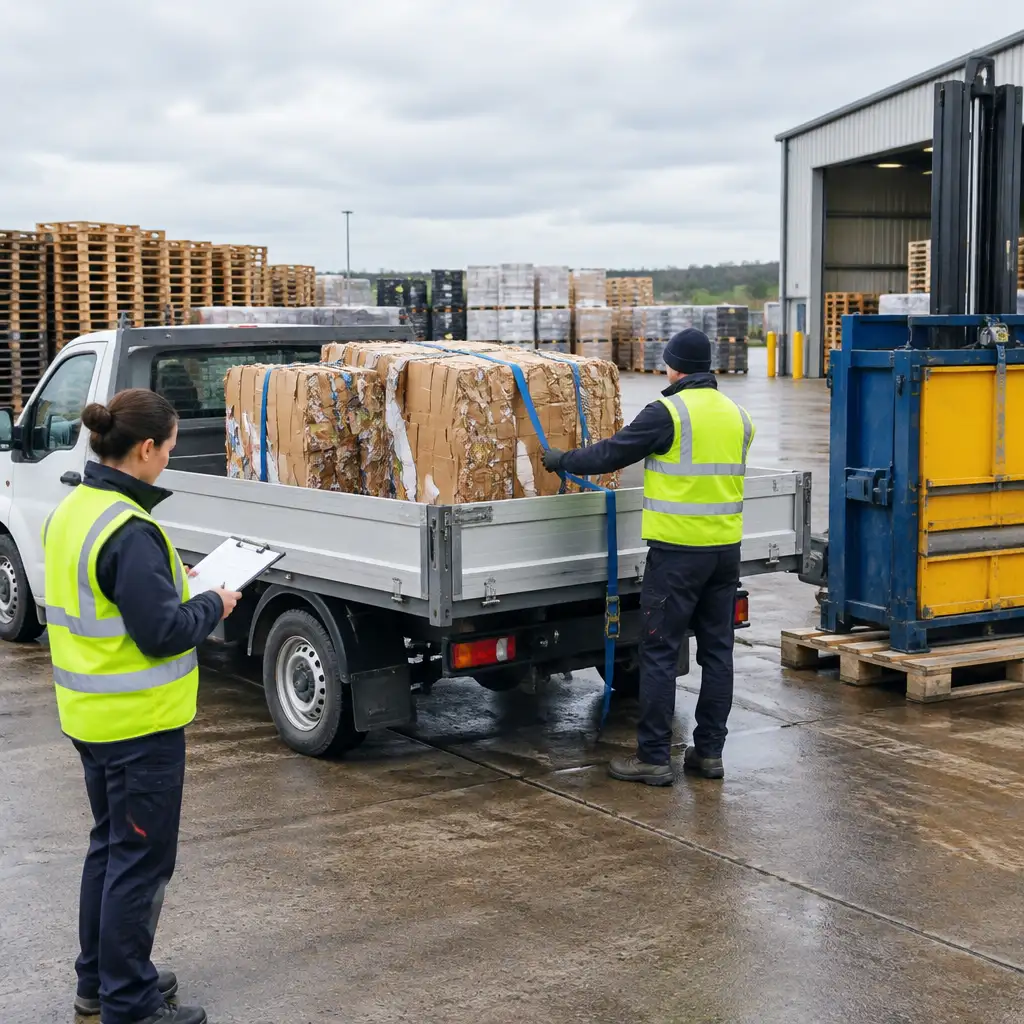
Organisations operating across multiple sites in Ireland — from retail groups and hospitality chains to distribution centres and municipal facilities — increasingly consider hiring balers and compactors rather than buying new machines for every location. Hire can provide flexibility during seasonal peaks, reduce capital outlay and maintain continuity while permanent equipment is evaluated or repaired. This article explains how to make multi-site equipment hire practical and reliable.
We focus on the operational playbook: how to structure hire agreements, manage transport and scheduling, complete safe on-site handovers, and set cost-sharing models that keep equipment running where it is most needed. Practical examples for seasonal retail and hospitality chains illustrate common approaches and traps to avoid.
The guidance draws on field experience in servicing and maintaining balers and compactors nationwide. It is written for facilities managers, operations leads and SMEs who need to coordinate hired machinery across several premises while protecting safety, insurance and continuity of service.
- Introduction
- Legal and insurance considerations for shared hire
- Drafting practical hire agreements and responsibilities
- Transport, delivery and scheduling logistics
- On-site handover & handback checklist
- Scheduling, maintenance windows and continuity during peaks
- Cost-sharing models and commercial examples
- Frequently Asked Questions
Legal and insurance considerations for shared hire
Before committing to a hire arrangement that spans multiple sites, confirm which party holds legal responsibility for the equipment at each location. Hire houses typically provide terms that assign ongoing responsibility for safe operation to the hirer; when a machine moves between sites, the contract must be clear which site-name, department or legal entity is the responsible hirer at any given time.
Insurance is often the overlooked area. Public liability and employer’s liability cover should extend to hired equipment in the site where it is used. Speak with your insurer and the hire provider to ensure the machine is covered during transit, while installed and during stacking/collection. Retain written confirmation from all parties listing cover limits and any exclusions — for example, third-party damage during loading.
Also check regulatory and safety compliance: a hired baler or compactor must meet current safety standards and have visible, legible safety signage and guarding. If an on-site audit reveals missing guards or faulty interlocks, resolve these before use. If you need help with safety checks or repairs, our machinery service and repairs page outlines common services and preventative maintenance options.
Drafting practical hire agreements and responsibilities
A pragmatic hire agreement for multi-site sharing should define roles, booking windows and a simple transfer process between sites. Key clauses to include are named responsible parties for each location, a schedule for site movements, condition reports on delivery and return, and clear fault-reporting paths.
Include an agreed daily or weekly location log that both the receiving site and a central operations desk sign electronically or on paper. The log should record the machine serial number, condition at handover, operator training confirmation and any safety tags or lockout devices present. For longer hire periods, build in periodic condition checks and access to emergency repairs.
Consider specifying which party covers consumables (e.g. baling wire), minor repairs and routine servicing during hire. When sharing across corporate-owned sites, internal recharge mechanisms can be simple (cost per day plus transport). When sharing between independent businesses — for instance, a landlord providing equipment to tenants — add insurer-approved indemnities and explicit maintenance obligations.
Transport, delivery and scheduling logistics
Transport is a critical cost and risk factor when moving balers and compactors between sites. Plan pick-ups and drop-offs to avoid rush-hour local deliveries, and use vehicle types suited to the machine weight and access constraints — small forklifts for narrow service yards, or a truck and tail lift for compactors that are pallet-mounted. Always confirm weighbridge figures where available.
When scheduling, batch movements to reduce mileage: schedule a single vehicle to visit multiple nearby sites on the same day rather than multiple one-off trips. Use a simple route sheet that lists site contact names, loading bay access codes, and any height or access restrictions. If sites are in Leinster, emphasise quicker response options; Baleforce Ireland provides faster response across Leinster while continuing nationwide coverage.
Securely fasten machines and cover exposed hydraulic lines for transport. Include photos in the handover paperwork to document condition prior to movement. For urgent needs, agree an emergency transit clause with the hire company so a replacement can be delivered quickly; for support with emergency situations see our breakdown and emergency repairs page.
On-site handover & handback checklist
Consistent handovers prevent disputes and reduce downtime. Use a concise checklist that staff complete and sign at delivery and collection. At a minimum the checklist should cover machine identification, visible damage, guarding and interlocks, electrical and hydraulic connections, site operator training, and the presence of emergency stop devices and warning signage.
Practical items to include: confirmation of site power compatibility, evidence that the machine sits on a stable surface with safe working clearances, and that operators have received a brief familiarisation. Photographs taken during handover are invaluable if a dispute arises about the condition on return. Keep digital copies centrally for audit purposes.
As part of the handback process, test basic functions with the site empty of material and record cycle times or any unusual noises. If you prefer an independent inspection before accepting a machine back into service, book a free machinery assessment to identify immediate repairs or safety work required.
Scheduling, maintenance windows and continuity during peaks
For multi-site organisations, contingency planning keeps operations running during peak trading periods. Create a central equipment roster that maps each hire item to site occupancy and predicted peak weeks. For retail and hospitality, align rosters to known seasonal spikes — for example, pre-Christmas trading, bank holiday weekends and festival periods.
Build maintenance windows into the schedule rather than reacting. A typical model reserves two shorter maintenance slots per month when a machine can be inspected and minor adjustments made between uses. For longer servicing or repairs, plan a short-term hire replacement and ensure the transfer is logged to avoid insurance gaps.
If a breakdown occurs, prioritise business-critical sites. Define escalation rules in the hire agreement: which sites receive replacement equipment first and the allowed response times. If you need rapid technical support or emergency replacement, our nationwide service offering and emphasis on repair-before-replacement can be helpful when deciding whether to hire or repair.
Cost-sharing models and commercial examples
Cost-sharing for hired equipment must be transparent and simple to administer. Common models include: daily/weekly pooling charges, usage-based billing tied to hours or tonnes processed, and fixed-site allocation with internal recharges for transport. Choose the model that best reflects how frequently the equipment moves and how predictable site demand is.
Example — seasonal retail chain: A group of ten stores hires two mobile balers for a 12-week peak. The chain adopts a pooled daily rate plus a per-movement transport charge. Stores book the baler at least 48 hours in advance on the central roster and pay a daily usage contribution. Transport between stores is charged to the sending store to discourage unnecessary moves.
Example — hospitality cluster sharing: Several small hotels in the same county share a compacting unit that visits each site weekly. They agree a monthly flat fee split by bed numbers and a small variable charge when extra collections are required. The compacting unit is placed at a central hotel with suitable access on non-peak days. Formalising the schedule reduces last-minute collections and keeps waste handling costs predictable.
When considering used equipment or longer-term options after a hire trial, review cost versus benefit of buying refurbished machines. Our used and refurbished machinery options can provide a lower-capex route if hire proves recurrent and predictable.
Frequently Asked Questions
Q: How quickly can a hired baler be moved between sites in Ireland?
A: Transit times depend on distance and access. Within Leinster response and transfer can often be arranged within 24–48 hours; nationwide movements should allow 48–72 hours to plan secure transport. Batch routing reduces cost and risk.
Q: Who should pay for routine servicing when a machine is shared?
A: Agree this in the hire contract. Typical approaches are pooled servicing included in the daily hire rate, or a user-pays model where each site contributes a pro rata share based on days used. Ensure servicing responsibilities are documented to preserve warranty and safety compliance.
Q: Can a hire provider insure the machine during moves and at different sites?
A: Many hire companies offer transit and public liability cover, but this varies. Always obtain written confirmation of cover limits and exclusions, and check that your own policies complement the hire provider’s cover to avoid gaps.
Experiencing problems with your baler or compactor? Baleforce Ireland provides expert servicing, repairs, maintenance, and technical support for waste handling equipment across Ireland. Call 087 458 0610 or email info@baleforceireland.ie to discuss your requirements.