
 1) Introduction: The True Cost of Reactive Maintenance
Many Irish businesses only think about balers and compactors when something goes wrong. The machine stops, waste begins to pile up, and an urgent call-out becomes unavoidable. This reactive approach is common, particularly in busy environments where waste handling equipment is expected to operate quietly in the background without demanding attention.
The real cost of this approach is not limited to the repair invoice. Emergency breakdowns often create operational disruption, staff inefficiencies, missed collections, and health and safety concerns. When waste cannot be processed as planned, businesses are forced into short-term fixes that distract from normal operations and increase pressure on staff.
Preventative maintenance offers a different mindset. Rather than responding to failure, it focuses on reducing the likelihood of breakdowns in the first place. For balers and compactors that are critical to daily operations, this proactive approach is often the most practical and cost-effective way to maintain reliability.
2) What Preventative Maintenance Actually Means for Waste Equipment
Preventative maintenance is sometimes misunderstood as a vague or unnecessary expense. In reality, it involves structured, experience-based checks designed specifically for balers and compactors. These checks focus on the components and systems most likely to wear, drift, or fail under regular use.
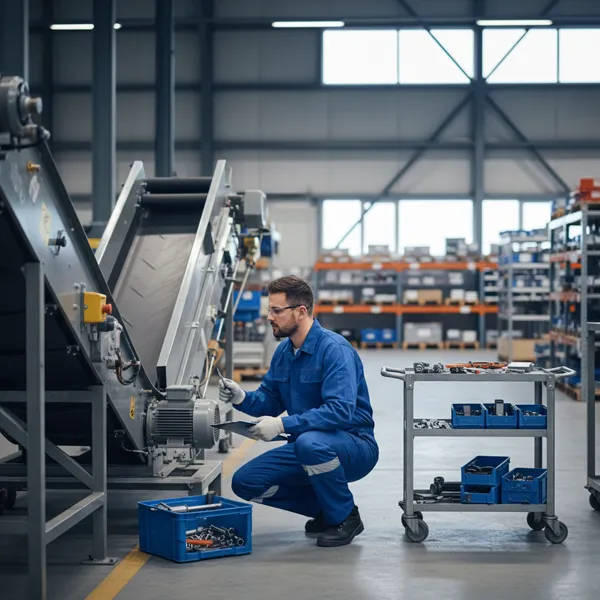
This typically includes inspecting mechanical wear points, checking alignment, assessing hydraulic condition, testing sensors and safety interlocks, and reviewing overall machine performance under load. The aim is not to replace parts unnecessarily, but to identify developing issues before they compromise operation or safety.
For Irish businesses, preventative maintenance provides clarity. Instead of guessing when a machine might fail, planned servicing introduces predictability. Issues are addressed early, repairs are scheduled rather than rushed, and equipment remains dependable during peak waste periods.
3) Common Problems Preventative Maintenance Is Designed to Catch Early
Many of the faults that cause sudden breakdowns develop gradually. Mechanical wear is a prime example. Bearings, rollers, chains, and guide systems rarely fail overnight. Preventative maintenance identifies excessive wear or misalignment while components are still serviceable.
Electrical and control faults are another key focus. Sensors and interlocks can drift out of tolerance, wiring can loosen, and moisture or contamination can affect reliability. These problems often present as intermittent faults, which are easy to ignore without a structured inspection.
Hydraulic issues are also commonly detected early through maintenance. Fluid condition, pressure consistency, seal wear, and hose integrity all affect performance. Identifying these issues early helps avoid leaks, overheating, and loss of compaction force that can take a machine offline unexpectedly.
4) Emergency Call-Outs vs Planned Servicing: A Cost Comparison
Emergency call-outs are, by nature, disruptive. They often occur at the worst possible time, require immediate attention, and can involve extended downtime while faults are diagnosed and parts are sourced. In some cases, secondary damage has already occurred by the time service is requested.
Planned preventative servicing shifts control back to the business. Maintenance can be scheduled around operational needs, allowing waste handling to continue with minimal disruption. Repairs are typically smaller, more targeted, and less costly because problems are addressed before they escalate.
Over time, businesses that rely on emergency call-outs often spend more overall, even if individual maintenance visits seem like an added cost. Preventative maintenance reduces the frequency and severity of breakdowns, leading to lower total repair costs and more stable operations.
5) Which Irish Businesses Benefit Most from Preventative Maintenance
Preventative maintenance delivers the greatest value in environments where balers and compactors are used frequently or continuously. Retail operations, logistics centres, manufacturing facilities, hospitality venues, and multi-tenant sites often rely on consistent waste processing to function smoothly.
Businesses with limited space or strict waste collection schedules are particularly vulnerable to equipment downtime. When a machine fails, waste storage quickly becomes an issue. Preventative maintenance reduces this risk by keeping equipment dependable during peak usage periods.
Multi-site organisations also benefit from a proactive approach. Standardised maintenance reduces variability in performance across locations and makes it easier to plan servicing, budgets, and operational expectations nationwide.
6) How Preventative Maintenance Improves Safety and Compliance
Balers and compactors include multiple safety systems designed to protect operators and bystanders. When machines are poorly maintained, these systems may become unreliable, increasing the risk of injury or unsafe operating conditions.
Preventative maintenance ensures that safety interlocks, guards, sensors, and emergency stops function as intended. It also helps identify situations where wear or damage could compromise safe operation if left unaddressed.
From a business perspective, maintaining safe equipment reduces liability and demonstrates a responsible approach to staff welfare. While safety is often associated with compliance, in practical terms it is about ensuring equipment behaves predictably and safely every day.
7) Setting Realistic Maintenance Expectations Across Ireland
Maintenance planning should reflect how and where equipment is used. Frequency depends on usage levels, waste types, and operating conditions. High-throughput environments may require more frequent checks, while lower-use sites still benefit from regular assessments.
Geography also plays a role. Businesses in Leinster often have access to faster response times, while nationwide coverage ensures that preventative servicing and support are available across Ireland. Planning maintenance in advance helps avoid reliance on urgent call-outs.
Clear communication around scheduling, findings, and next steps is essential. Preventative maintenance works best when expectations are realistic and aligned with how the business operates on a daily basis.
8) Conclusion: Shifting from Firefighting to Long-Term Reliability
Preventative maintenance is not about over-servicing or unnecessary intervention. It is about reducing uncertainty and avoiding the disruption that comes with unexpected breakdowns. For balers and compactors, early attention almost always costs less than emergency repair.
By shifting from a reactive mindset to a planned approach, Irish businesses gain control over their waste handling operations. Equipment lasts longer, downtime becomes less frequent, and operational planning becomes more reliable.
For organisations that depend on balers and compactors every day, preventative maintenance is a strategic decision. It supports safety, stability, and long-term value while reducing the stress and cost of firefighting breakdowns.
At Baleforce Ireland, we provide honest, reliable servicing and repair for balers and compactors across Ireland, with faster response times throughout Leinster. If you’re dealing with recurring faults, want to reduce emergency call-outs, or need expert advice on preventative maintenance, call us on 087 458 0610 or email info@baleforceireland.ie. Our focus is on keeping your machinery operating safely, efficiently, and for as long as possible.