
Introduction
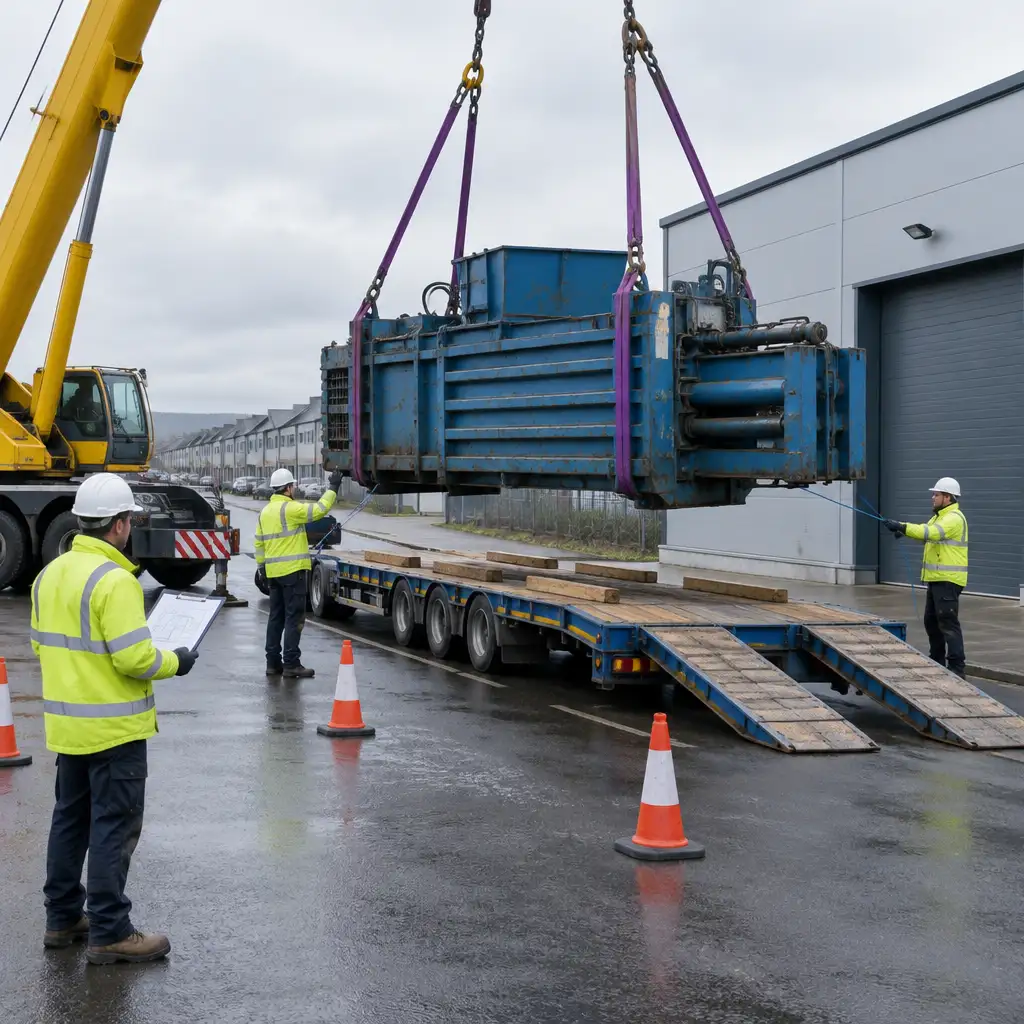
Moving or decommissioning heavy waste-handling machinery such as balers and compactors is more than a physical task: it is a controlled, safety-led project that must meet HSA guidance, environmental obligations and practical logistics. Whether you are closing a site, consolidating equipment across locations, or replacing machinery, a structured approach reduces risk, avoids unexpected costs and preserves value for reuse or resale.
This article gives a stepwise checklist tailored to Irish businesses handling baler maintenance and compactor work. It covers the HSA-related safety checks, isolation procedures, environmental and waste considerations, transport logistics and best practice for reinstallation. The guidance is practical, field-tested and written to help facilities managers, contractors and service teams make safe, compliant decisions.
Use this checklist as a foundation for planning. It highlights common pitfalls, the documentation you should retain, how to engage skilled technicians for safe removal and reinstallation, and when to call in professional support for a machinery assessment or repairs.
- Introduction
- Planning and compliance checks before decommissioning
- Lock-out, isolation and safe removal procedures
- Environmental and waste considerations
- Transport and logistics for moving balers & compactors
- Reinstallation, testing and commissioning best practice
- Documentation to retain and common pitfalls to avoid
- Frequently asked questions
Planning and compliance checks before decommissioning
Start with a written plan. Identify the machine type, weight, dimensions, energy sources (electrical supply, hydraulic reservoirs), and any attachments. Note operator controls, safety interlocks and guard arrangements. Record the machine serial number and manufacturer details; this information is essential for safe removal and for any future servicing or resale.
Verify legal and regulatory obligations. In Ireland, follow HSA guidance on machinery guarding, isolation and safe systems of work. Check site-specific permit-to-work systems and any local planning or waste permits that might affect removal or off-site transport. If the machine contains hazardous fluids (hydraulic oil, battery packs) or refrigerants, ensure compliance with environmental legislation and proper licence requirements for disposal or transfer.
Use a free machinery assessment to inform decisions. If you are unsure whether repair, relocation or replacement is the right option, book a free machinery assessment. An expert review will identify safety concerns, likely costs, and whether a machine is suitable for reinstallation elsewhere — helping you weigh repair versus replacement for long-term value.
Lock-out, isolation and safe removal procedures
Isolation is non-negotiable. De-energise electrical supplies at the distribution board and secure the isolator with a lock and tag in line with your permit-to-work. For hydraulic systems, relieve pressure, drain fluids into appropriate containers and cap lines to prevent contamination. Confirm isolation with a competent person and document it. Always follow your site-specific lock-out procedures and the HSA recommended safe system of work.
Prepare for mechanical disassembly. Remove non-structural items such as feed hoppers, conveyors and electrical panels that can be detached safely. Label wiring looms and hydraulic lines for reassembly. When lifting components, use rated lifting points and certified slings or lifting frames. Ensure the lifting plan accounts for the centre of gravity and potential swing; consult machine manuals where available or engage technicians experienced in baler maintenance to advise on safe lifts.
Engage suitably qualified technicians for complex removals. Many incidents occur when teams attempt to move heavy machinery without specialist assistance. Professional service teams provide trained personnel, correct lifting equipment and knowledge of how to secure residual stored energy. For repair, removal or reinstallation tasks beyond routine checks consider contacting Baleforce Ireland’s machinery service and repairs team for professional support.
Environmental and waste considerations
Identify and segregate any waste streams generated by the decommissioning. Hydraulic oil, coolant, filters and contaminated rags are hazardous wastes that must be stored in bunded containers and removed by a licensed waste contractor. Retain Waste Transfer Notes and certificates of hazardous waste disposal. Failure to document disposal can result in enforcement action or penalties.
Consider the destination of consumables and recovered materials. Compressed bales, ferrous and non-ferrous metals, and usable parts may have value. If you plan to reuse or redistribute parts, document provenance and maintain a record of condition. Items slated for scrap should be handled through licensed recyclers with appropriate documentation to demonstrate lawful disposal.
Assess the potential environmental risk during transport. Ensure that tanks are sealed, fluid lines are emptied, and any loose debris is secured to prevent spills or litter on public roads. Where risk is higher, use drip trays, cable protectors and spill kits on site and in transport vehicles as a precaution.
Transport and logistics for moving balers & compactors
Plan access and route surveys. Measure doorways, loading bay heights, service yard widths and turning circles before moving equipment. Not all units will fit through standard loading doors and may require partial disassembly or craning. Confirm local road restrictions, weight limits and whether a low-loader or HIAB truck is required.
Choose experienced hauliers and confirm insurance and vehicle suitability. Transport companies experienced in moving industrial machinery will advise on securing loads correctly with chains, edge protection and chocks. Ensure the haulier has appropriate Public Liability and Goods in Transit cover for the declared value of the equipment.
Prepare the machine for transport. Secure moving parts, lock ram/cylinder positions where possible, and protect exposed electrical connectors. Photograph the machine from multiple angles and retain those images with the removal paperwork — they help resolve disputes about condition and are useful for future reinstallation planning.
Reinstallation, testing and commissioning best practice
Perform a pre-installation site check at the receiving location. Confirm floor loading capability, clearances, service access, electrical supply ratings and the intended workflow. Consider whether any local modifications are required, such as the addition of chutes, ramps or anchor points. A proper site inspection prevents delays and additional costs during commissioning.
Re-check safety systems before restoring power. Inspect guards, emergency stops, interlocks and light curtains for damage sustained during transport. Replace missing or damaged protective devices before energising the machine. Where control panels were disconnected, label and verify all wiring against original diagrams to prevent incorrect connections that could lead to faults or safety failures.
Testing should follow a staged approach: low-voltage checks, dry-run mechanical tests without load, followed by monitored operation under load with an experienced operator present. Record pre-commissioning checks and initial run-in data in a commissioning log. Offer operator refresher training where necessary; operator familiarity reduces misuse and improves ongoing baler maintenance outcomes. If in doubt about electrical or hydraulic reinstatement, engage accredited technicians rather than attempting ad hoc repairs.
Documentation to retain and common pitfalls to avoid
Keep comprehensive records. Retain isolation certificates, lifting plans, waste transfer notes, transport paperwork, photos of condition, service reports and commissioning logs. These documents are vital for legal compliance, insurance and future maintenance planning. Good records also support decisions about repair versus replacement down the line.
Avoid common pitfalls: poor planning, underestimating weight and centre-of-gravity issues, inadequate isolation, and skipping safety verifications. Another frequent error is failing to record electrical and hydraulic disconnections clearly; reassembly errors are a primary cause of repeated breakdowns. Use labelled tags and a simple reconnection checklist to reduce risk.
Plan for continuity. If removing a machine will interrupt operations, arrange temporary solutions such as rental equipment or staggered removal during low-production windows. Baleforce Ireland provides rental and hire services that can bridge downtime; discuss options early in your planning to protect productivity while you relocate or upgrade equipment.
Frequently asked questions
Q: How long does a typical decommissioning and reinstallation take?
A: Times vary by machine size, site access and whether partial disassembly is required. A straightforward relocation on the same site might be completed in a day, while a cross-site move involving craning and re-commissioning can take several days to a week. Arrange a site assessment to get a realistic schedule.
Q: What records should I keep after a move?
A: Keep isolation and lock-out records, lifting plans, waste transfer notes, transport documentation, photos of the machine pre- and post-move, service reports and commissioning logs. These protect you for compliance, warranty and insurance purposes.
Q: Should we use in-house staff or hire technicians for removal and reinstallation?
A: Use competent in-house staff for non-complex tasks where they have relevant training. For lifting, isolation of stored energy, control modifications or electrical reconnection, engage experienced technicians. Professional teams reduce safety risk, speed the work and often save money by preventing damage and repeat repairs.
Need support with waste handling equipment anywhere in Ireland? Baleforce Ireland provides nationwide service, repairs, machinery assessments, upgrades, operator training, and technical support, with faster response times throughout Leinster. Call 087 458 0610 or email info@baleforceireland.ie to get started.