
Introduction
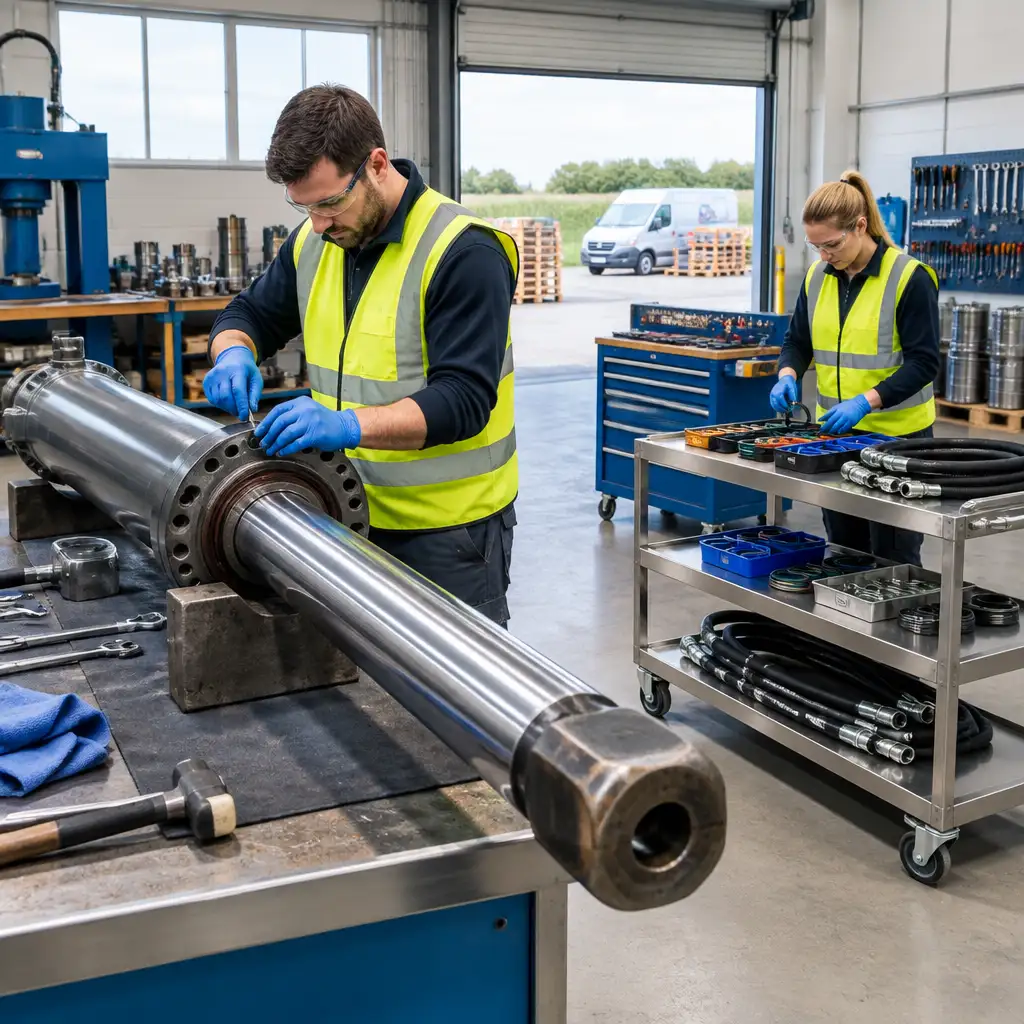
Facilities managers in Ireland juggling multiple sites and high throughput waste streams regularly face the question of who should service their balers and compactors: the original equipment manufacturer (OEM) or an independent third-party specialist. The choice affects downtime, maintenance budgets, parts availability, and the impartiality of technical advice—issues that directly influence safety, compliance and long-term value.
This guide compares response times, impartial repair advice, parts access, cost models and the long-term value proposition from both service models. It draws on practical experience from field service engineers and real-world pros and cons to help multi-site managers make a grounded decision for Irish operations.
We also provide a decision checklist and suggested questions to ask prospective contractors so you can assess fit quickly. Throughout the article we refer to common considerations for balers and compactors and the realities of providing nationwide support in Ireland, including the advantage of faster response times within Leinster.
- Introduction
- Response times: who gets to you faster?
- Impartial repair advice and long-term recommendations
- Parts access, lead times and genuine spares
- Cost models: contracts, per-call pricing and lifecycle costs
- Multi-site coordination and scalability
- Decision checklist and questions to ask contractors
- Frequently asked questions
Response times: who gets to you faster?
Response time is often the deciding factor when equipment failure interrupts business-critical operations. Manufacturer support teams may have excellent technical knowledge and access to OEM diagnostics, but their service network in Ireland can be limited unless they have dedicated local representation. Third-party specialists with a national footprint often advertise quicker, pragmatic responses — particularly in Leinster where many independent teams can attend within 24 hours.
Consider the difference between routine servicing and emergency breakdowns. For planned preventative maintenance an OEM appointment can be scheduled to suit factory warranty terms or upgrade windows. For unexpected breakdowns, however, a local independent team offering rapid breakdown and emergency repairs can reduce downtime and lost productivity. Baleforce Ireland, for example, states typical response times of within 24 hours in Leinster and within 48 hours elsewhere in Ireland, which is a common benchmark for local independent providers.
When evaluating vendors, ask for documented response-time commitments and escalation paths. Compare not only travel time but also the likely availability of engineers with the required skill sets (hydraulics, electrical, PLCs). A fast initial visit that only offers a temporary fix is less valuable than a slightly slower response with the right parts and expertise to complete the repair safely.
Impartial repair advice and long-term recommendations
One key difference between manufacturer and third-party support is impartiality. OEM technicians are experts in their own machines and naturally familiar with upgrade paths and genuine parts. Their recommendations can, however, lean towards OEM upgrades or replacements. Independent service providers offer advice driven by field experience across multiple brands and models, which can produce practical alternatives such as targeted retrofits, safety retrofits, or staged repairs that extend life and reduce total cost of ownership.
For facilities managers, impartial advice matters when deciding whether to repair, upgrade or replace equipment. A third-party specialist can assess whether a control upgrade, a safety retrofit or a component repair is the most cost-effective route. This aligns with the “repair before replacement” philosophy that preserves capital and reduces waste. That said, when a machine is within an active OEM warranty period the manufacturer’s involvement may be necessary to protect warranty terms.
Use free machinery assessments to gather impartial data. Many independent providers offer a no-cost equipment assessment to identify safety issues, inefficiencies and repair recommendations. These assessments can serve as an evidence base for internal procurement decisions or for comparing OEM quotes against third-party proposals.
Parts access, lead times and genuine spares
Access to parts is critical when assessing service providers. OEMs generally supply genuine parts and direct support for legacy components, which can simplify warranty claims and ensure compatibility. However, lead times for OEM parts can be longer if the parts are shipped from overseas or if the manufacturer’s distribution isn’t locally stocked.
Third-party suppliers often keep commonly used components in local stock and can source aftermarket parts where appropriate. Experienced independents will prioritise safety and reliability when choosing parts, and may also offer refurbished components as cost-effective alternatives. If you manage Europress balers or compactors, authorised local distributors often combine OEM access with local stock—Baleforce Ireland is an authorised Europress distributor and can therefore supply genuine parts alongside independent repair services.
When comparing providers, ask about parts sourcing policies, stock levels, lead times for critical spares, and whether substitute parts are warranted. Confirm whether fitted parts affect warranties and make sure any non-genuine parts comply with safety regulations and manufacturer recommendations where necessary.
Cost models: contracts, per-call pricing and lifecycle costs
Service cost models vary markedly. OEM support often runs on scheduled maintenance contracts that may incorporate higher hourly rates but include genuine parts and formal service records. Independent providers typically offer more flexible pricing: ad-hoc per-call repairs, bespoke maintenance contracts, and preventive maintenance programmes designed to reduce breakdown frequency and overall repair spend.
Facilities managers should distinguish between upfront service fees and lifecycle costs. A cheaper per-call rate can prove expensive if it accompanies frequent emergency visits. Conversely, a higher-cost maintenance contract may be justified if it reduces downtime and extends equipment life. Compare total cost of ownership models rather than hourly rates alone, and consider the cost-benefit of preventative maintenance in lowering emergency repair bills.
Requests for proposals should require itemised pricing, average annual spend estimates, and examples of where preventative programmes have reduced downtime. Also consider value-added services such as operator training, safety checks, and free machinery assessments which can improve long-term reliability without committing to expensive replacements.
Multi-site coordination and scalability
For organisations operating several sites across Ireland, consistent service delivery and clear reporting are essential. Manufacturer networks can be beneficial where uniform equipment fleets exist and centralised manufacturer support simplifies parts and documentation. However, multi-brand estates or sites with older equipment often benefit from third-party providers who can service diverse machinery and offer standardised maintenance across the estate.
Scalability is more than sending more engineers; it is about consistent paperwork, safety compliance records, and predictable scheduling. Ask prospective contractors how they manage multi-site contracts, whether they provide centralised service reporting, and how they prioritise urgent calls across locations. Independent companies with experience supporting multiple industries will typically present tailored maintenance programmes, central account management, and consolidated invoicing to ease administration.
Use the industries we support page to verify experience across sectors similar to yours. Providers familiar with hospitality, retail, distribution or manufacturing will better understand the operational pressures at each site and can tailor response windows accordingly. A strong track record across industries indicates practical experience rather than a product-first approach.
Decision checklist and questions to ask contractors
Facilities managers need a concise checklist to compare providers quickly. Start by verifying response times, local stock levels for critical parts, and whether routine servicing and emergency repairs are included or priced separately. Confirm the provider’s territory coverage and whether faster response is available in priority regions like Leinster.
Key questions to ask prospective contractors include: Do you offer a free machinery assessment? What are your typical response times and escalation procedures? Can you supply genuine OEM parts or offer certified alternatives? How do you handle warranty implications for non-OEM repairs? Do you provide centralised reporting for multi-site accounts and what is included in your preventative maintenance programme?
Also request examples of past work, references from similar Irish businesses, and evidence of compliance with safety standards. Practical, experience-based answers that focus on reliability and long-term value align best with a repair-first philosophy and will help you avoid decisions driven purely by short-term cost savings.
Frequently asked questions
Q: How quickly can I expect a site visit for emergency compactor failures in Leinster?
A: Many independent providers, including national specialists, aim for a response within 24 hours in Leinster. Availability depends on the call-out schedule, spare parts required, and the complexity of the fault. For critical operations ask about priority SLA options and stock availability before contracting.
Q: Will using a third-party repairer void my OEM warranty?
A: It depends on the warranty terms. Some manufacturers require OEM parts and authorised technicians for warranty repairs. Others allow third-party repairs provided work is documented and parts meet safety standards. Always check warranty clauses and request written confirmation from the manufacturer if warranty preservation is essential.
Q: What are the signs that I should replace rather than repair a baler or compactor?
A: Consider replacement when repair costs approach the machine’s residual value, safety upgrades are impractical, or frequent repairs cause unacceptable downtime. A professional machinery assessment can quantify remaining life, repair costs and possible upgrade options so you can make an informed decision aligned with long-term value.
Not sure whether your equipment should be repaired, upgraded, or replaced? Baleforce Ireland offers honest, practical advice backed by over 20 years of industry experience. We focus on helping customers make informed decisions based on safety, reliability, and long-term value. Contact us at 087 458 0610 or info@baleforceireland.ie to discuss your options.